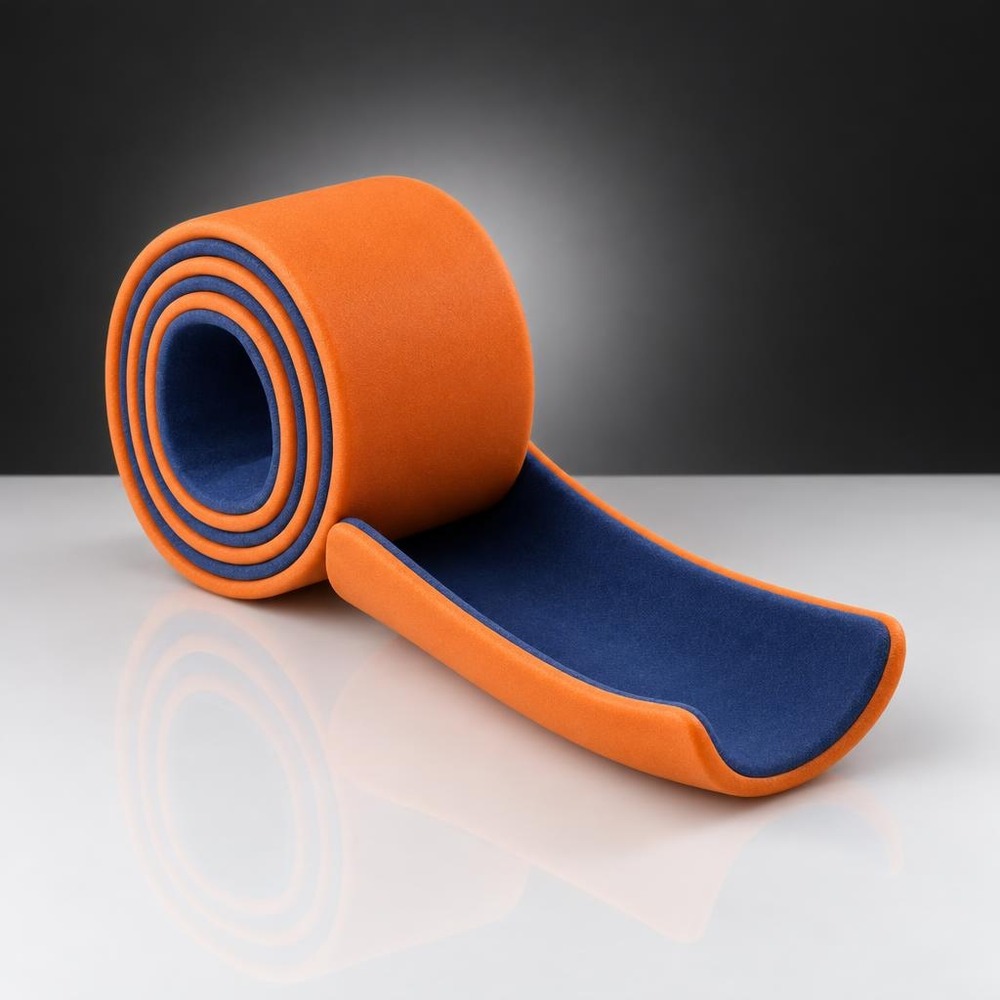
A splint holds a suspected broken bone, sprain or dislocation still so it does not get worse. It keeps the injured limb steady and less painful while you wait for help or travel to care.
A first aid splint holds a hurt arm, leg, wrist or ankle still so the injury stays stable on the way to care. Look for one you can shape on the spot and pack flat.
- Moldable design: Choose a padded aluminum splint that bends to fit an arm, leg or wrist and holds its shape.
- Size and count: Stock one full-length splint of about 36 inches, and fold or trim it to fit a child or a finger.
- Durability: Pick foam-covered metal that survives being rolled, flattened and reshaped many times.
- Storage: A rolled or flat-folded splint fits in a kit pocket and has no shelf life to track.
- Fastening: Pack elastic wrap or triangular bandages with it, since a splint only works when it is secured in place.
- Rigid boards: Favor a moldable splint over a flat board, which fits only one limb and crowds the kit.