


Buried is a claustrophobic single location thriller that never leaves the coffin, and that constraint is exactly what makes it worth a prepper's attention. It strips survival down to its most brutal essentials: limited air, limited light, limited time, and a lifeline that keeps failing. Ryan Reynolds carries the entire film, and his gradual unraveling from resourceful problem solver to despairing captive is a study in how psychology, not just physiology, decides who endures a crisis.
From a self reliance standpoint, the most valuable material is not any single tactic but the systemic failure on display. Paul does most things right. He rations his phone, works the contacts he has, and tries to stay level headed, yet the people who could save him are hamstrung by policy, distance, and denial. That is the real lesson here. If you work or travel in dangerous places, your safety plan cannot assume a competent cavalry is coming. The film is a hard argument for pre trip risk assessment, understanding your employer's true commitments, and having your own contingencies before you ever need them.
As entertainment it is tense and well made, though its relentless bleakness will not suit everyone. As a preparedness study it offers modest but genuine value, mostly around composure under extreme confinement and the danger of outsourcing your survival to institutions. It is worth watching once, both for the craft and for the uncomfortable reminder that self reliance sometimes means accepting how alone you really are.
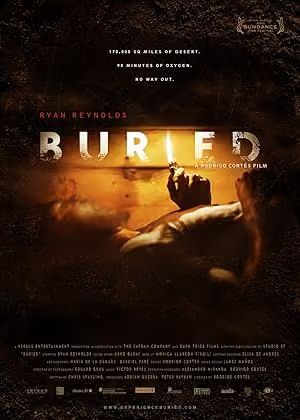
The core scenario is grounded in real events. Kidnapping of foreign contractors and workers in Iraq during the mid 2000s was common, and ransom abductions with recorded demands genuinely occurred. Being buried alive in a coffin is an extreme and theatrical method, but abduction, ransom demands, and captives left in improvised confinement have real precedent. The specific setup is unlikely for any given person, but the underlying threat of being taken hostage in a conflict zone is entirely plausible for those who work in such regions.
The film is disciplined about consequences. Paul's oxygen anxiety, the failing phone battery, the useless bureaucratic runaround, and the emotional collapse all track with how a real person and real institutions would behave. The dropped calls, the corporate liability dodging, and the slow official response feel painfully authentic. A few beats stretch belief, such as the convenient presence of a lighter and working phone with signal deep underground, but the human deterioration and the maddening indifference of distant systems are portrayed with rare honesty.
The practical takeaways are limited by the hopelessness of the situation, but they exist. The film underscores managing your air supply by staying calm and minimizing exertion, conserving light and battery power, and thinking clearly about who to call and what information to relay first. More broadly it teaches lessons about working in high risk regions, understanding your employer's actual duty of care, and recognizing that official rescue may be slow or absent. It is less a how to guide and more a warning about dependence on others when you are truly on your own.


