


Maggie is not the zombie film its marketing suggests, and preppers expecting Arnold Schwarzenegger in an action showcase should adjust their expectations. This is a slow, somber family drama set against the backdrop of a fading outbreak, more concerned with grief and the impossible choices of a parent than with hordes and gunfire. Schwarzenegger delivers a restrained, surprisingly moving performance as a father unwilling to give up on his infected daughter.
From a self reliance standpoint, the practical takeaways are limited. You will not learn how to fortify a home, ration food, or treat wounds here. What the film does explore, and does well, is the human dimension of catastrophe: the toll on families, the ethics of mercy, and the hard truth that preparedness is as much about emotional resilience as it is about stockpiles. The depiction of a society grinding down under a long crisis, with functioning but strained institutions, is thoughtful and grounded.
Worth watching if you value the psychological side of survival and appreciate a quiet, character driven story. Skip it if you want tactics, gear, or genre thrills. It is a meditation on loss dressed in horror trappings, and a reminder that the hardest survival decisions are often the ones no amount of supplies can prepare you for.
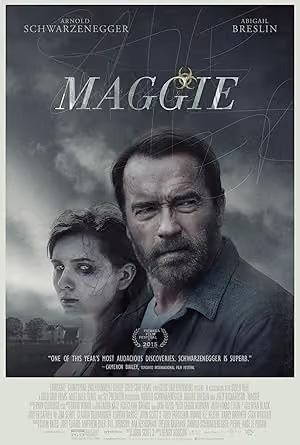
The core premise, a slow acting virus that gradually turns humans into cannibalistic zombies, has no real world basis. While pandemics of dangerous infectious disease are absolutely real and have historical precedent, the specific necroambulist transformation depicted here belongs firmly in the realm of science fiction. There is no known pathogen that reanimates or fundamentally rewrites human behavior into predatory aggression over a matter of weeks. The scenario is fantastical, though it borrows the outer shell of a genuine biological threat.
Where Maggie stands apart from the genre is its emotional and behavioral realism. Rather than chaotic action, the film depicts a grounded, quiet story of a father facing an incurable terminal diagnosis in a loved one. The bureaucratic quarantine system, the reluctant doctor, the agonizing question of when and how to end suffering, and the emotional toll on the family all ring true. People in genuine slow motion catastrophes do behave with this mix of denial, tenderness, and dread. The muted, exhausted portrayal of a world already worn down by an ongoing crisis is more believable than the usual frenetic zombie fare.
Practical preparedness lessons are thin. There is little about supplies, defense, medical treatment, or logistics that a prepper can directly apply. What value exists is psychological and ethical. The film forces viewers to consider hard end of life decisions, how families cope under prolonged stress, the emotional weight of protecting children by sending them away, and the reality that some situations cannot be solved with gear or grit. These mental preparedness themes matter, but the film offers no concrete tactical or survival skills.


