


Rescue Dawn is Werner Herzog dramatizing the ordeal of Dieter Dengler, a subject he clearly reveres, and Christian Bale commits fully to the role including the brutal physical transformation. For a prepper, this is less an action film than a study in endurance. The scenario is real, the jungle is real, and the deprivation feels real. There is no gadgetry and no cavalry, only starving men making terrible calculations about when to run and whom to trust.
What makes it worth watching from a preparedness standpoint is its unromantic treatment of survival. Dengler's greatest asset is not strength but a stubborn, almost cheerful refusal to give up, paired with methodical observation and patience. The film also shows how despair, illness, and mistrust dismantle a group from within, which is a lesson that applies well beyond a POW camp. The escape itself is only the midpoint, and the film honors the fact that the wilderness can be a crueler jailer than any guard.
It is not flawless. The final act tips toward the sentimental and glosses over some of the harder edges of the true story. But the grounded portrayal of captivity, improvisation, starvation, and the psychology of holding on gives this film genuine value. A self-reliant viewer will come away thinking about mindset and resolve as much as skills, and that is the right lesson to take from it.
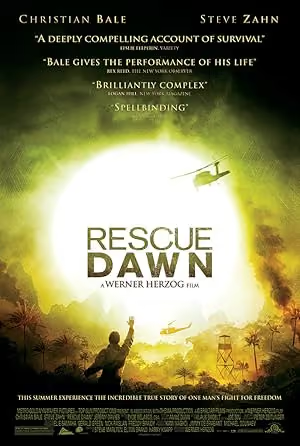
This film is based on the true story of Dieter Dengler, a US Navy pilot shot down over Laos in 1965 who was captured, held in a POW camp, and eventually escaped through the jungle. The events are drawn directly from documented history, so the core scenario is not merely possible but actually happened. Downed aircraft, capture by hostile forces, and desperate escapes through hostile terrain are grim realities of armed conflict. The possibility here is essentially confirmed by the historical record.
Herzog shot in real jungle under punishing conditions, and it shows. The gradual physical deterioration of the prisoners, the psychological fracturing of long-term captives, the internal disputes over whether to attempt escape, and the crushing reality that surviving the breakout is only the beginning of the ordeal are all portrayed with unusual honesty. The film wisely refuses to make escape feel triumphant. A few sequences compress or dramatize events for pacing, and the ending leans sentimental, but the depiction of starvation, disease, exposure, and human behavior under extreme stress is grounded and believable.
There are real takeaways for a self-reliant viewer. The film illustrates the importance of maintaining hope and mental discipline in captivity, the value of building trust and planning quietly before acting, and the harsh truth that escaping confinement does not equal safety when you still face dehydration, hunger, injury, and pursuit through unforgiving terrain. It demonstrates improvisation with almost no resources, the physical toll of malnutrition, and how group cohesion or its collapse can decide survival. It is not a how-to manual, but the psychological lessons about resolve and preparation are valuable.


