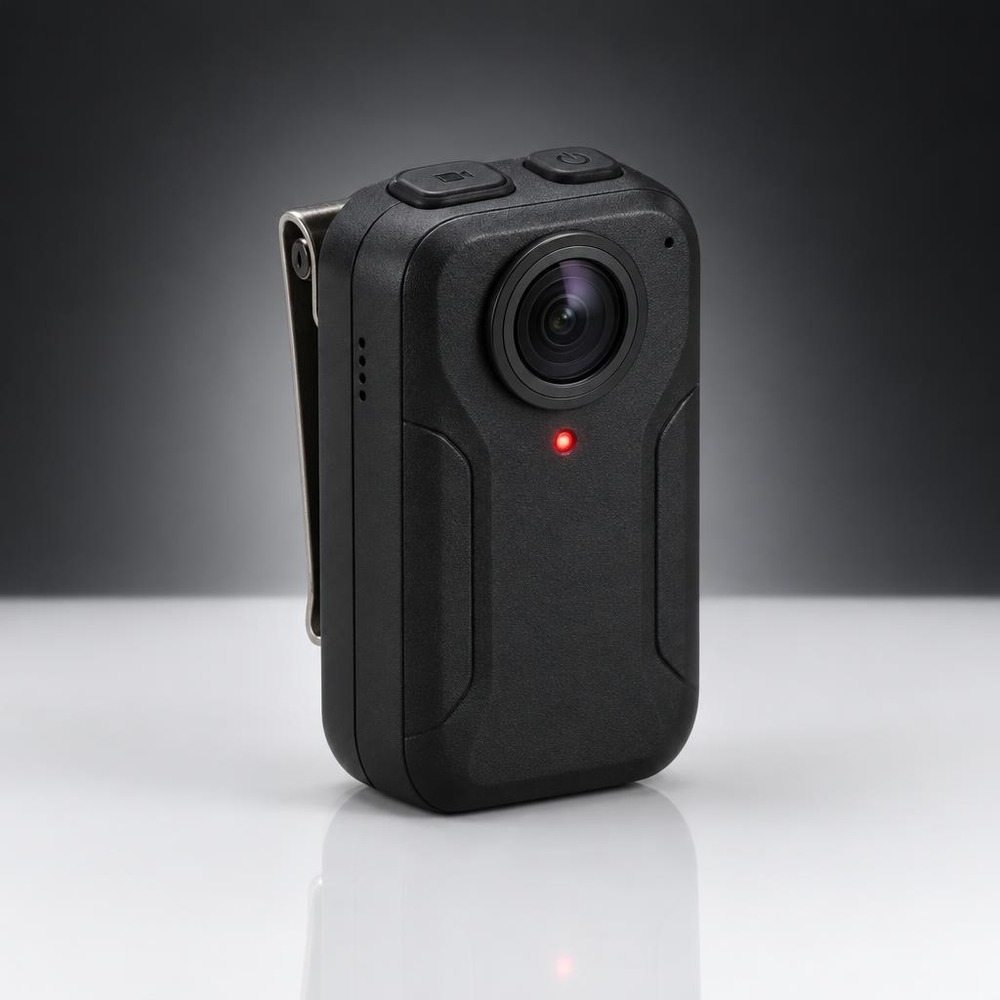
A body camera records what you see and hear during civil unrest, a roadside dispute or any tense encounter, giving your family a neutral record of events. That footage supports police reports and insurance claims, and it helps settle questions about what happened.
A body camera gives you a clear record of events when a crowd turns tense or a crisis brings confusion. Choose one you can wear all day and forget about until you need it.
- Battery life: Pick a camera that records eight hours or more on one charge, and pair it with a power bank for longer days.
- Low light: Look for night or infrared video so footage stays usable after dark and during power outages.
- Storage: Choose a card or internal memory that holds a full day of video, and back up files to a second device each night.
- Mounting: Use a sturdy clip or harness that keeps the lens steady and aimed forward while you walk.
- Weather and drops: Choose a sealed, impact-resistant body that keeps recording through rain and rough handling.
- Local law: Learn your state's audio recording consent rules so your footage stays useful as evidence.