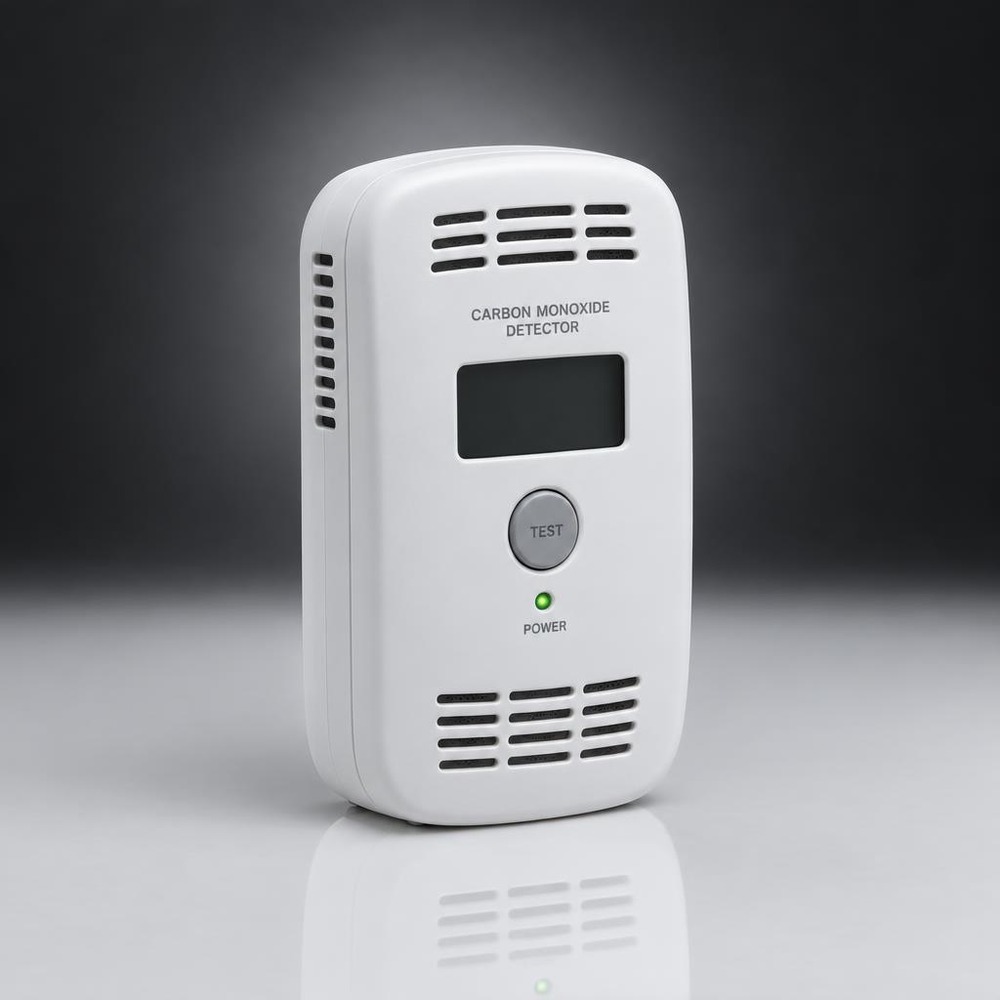
Carbon Monoxide Detector

Carbon Monoxide Detector

A carbon monoxide detector warns you when this odorless, invisible gas builds up indoors, giving your family time to ventilate and get out. It earns its place during a bug-in or long power outage, when generators, fuel heaters and camp stoves run closer to living spaces than usual.

A carbon monoxide detector sounds an alarm when this odorless gas builds up indoors. That warning matters most when a generator, heater or camp stove runs during an outage.

  • Power source: Pick a battery-powered unit or a plug-in model with battery backup so it keeps working when the grid fails.
  • Coverage: Mount one on every sleeping level and one near any room with a fuel-burning appliance.
  • Sensor life: Check the end-of-life date on the unit, because most sensors last five to ten years.
  • Digital display: Choose a readout that shows current and peak levels so you can act before the alarm sounds.
  • Spare batteries: Stock enough batteries for a two week outage and press the test button once a month.
  • Certification: Look for a recognized safety standard listing printed on the package.

Popular Brands

No items found.

Guides and Uses

Carbon Monoxide Protection and Detector Lifespan

November 20, 2026
Carbon monoxide protection for bug-ins and outages: how long CO detectors last, when to replace them, why battery backup matters and where to place them.