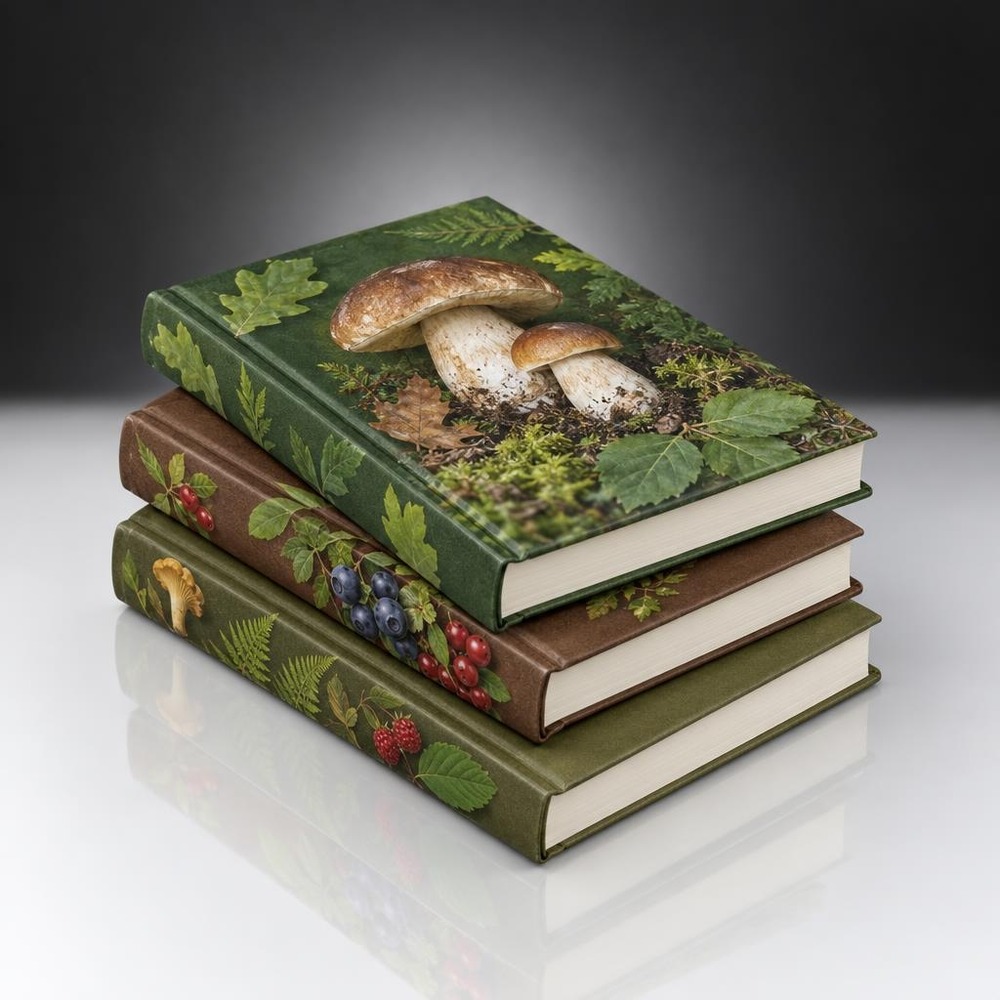
Foraging books teach you to identify wild edible plants, berries, nuts and mushrooms, and to tell them apart from toxic look-alikes. They help you stretch your food stores during a long-term disruption, with no power or signal needed.
Choose foraging books that help you identify wild food with confidence in your own region. A good field guide turns a walk in the woods into a safe, steady addition to your food stores.
- Regional coverage: Pick a guide written for your part of the country so the plants match what grows near you.
- Clear photos: Look for sharp color photos of each plant at several stages, from shoot to flower to fruit.
- Look-alike warnings: Choose books that set each edible beside its toxic look-alikes and name the features that tell them apart.
- Durable build: A water-resistant cover and sewn binding hold up to field use, damp packs and muddy hands.
- Harvest and preparation notes: Favor guides that say when to harvest, which parts to eat, and how to prepare them.
- Household set: Keep one field guide in the pack and one detailed reference at home.