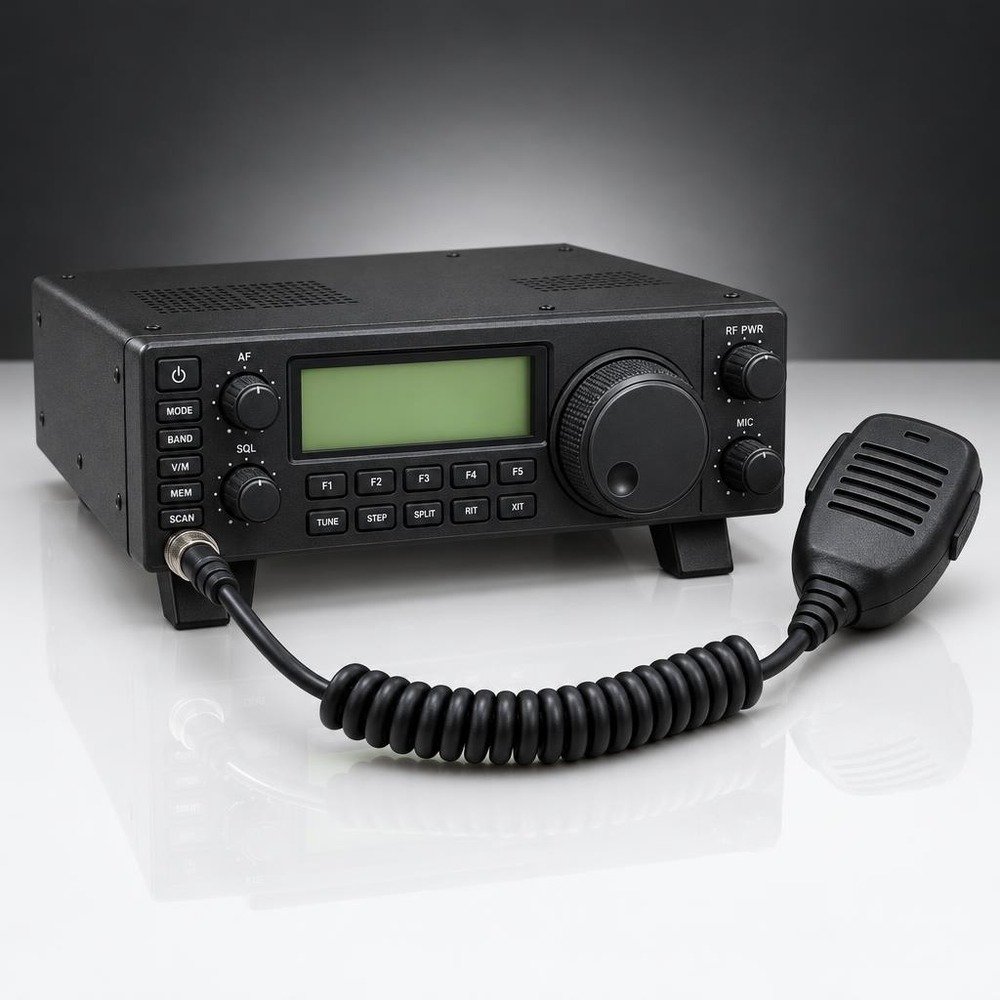
HAM Radio

HAM Radio

A ham radio lets a licensed operator reach family, neighbors and emergency nets across town or across the region when cell towers, internet and the power grid are down. It also lets anyone listen for local news and weather updates while normal channels are silent.

A ham radio puts you on the amateur bands, where volunteer operators run emergency nets when phones go quiet. Choose one you can carry, power and operate under stress.

  • License first: Earn an entry-level amateur license so you can transmit legally, since anyone can listen without one.
  • Bands: Start with a dual-band handheld covering 2 meters and 70 centimeters for local repeaters and family contact.
  • Power: Pack a spare battery plus a way to charge it from AA cells, a car outlet or a small solar panel.
  • Antenna: Add an upgraded antenna, because the stock one limits the range of most handhelds.
  • Durability: Look for a rugged, water-resistant case that survives a drop.
  • Programming: Program local repeaters and emergency frequencies now, and practice on a weekly net so the controls feel familiar.

Popular Brands

No items found.

Guides and Uses

Best Radio for Emergencies Compared

November 22, 2026
Compare FRS, GMRS, CB, and ham radios on range, cost, and licensing to find the best radio for emergencies and build a family communication plan that works.