


Infinite Storm is a lean, tense survival drama that trades spectacle for the grinding reality of trying to get off a mountain alive. Set on Mount Washington during a savage blizzard, it follows an experienced climber who does the smart thing by turning back early, only to have her plans undone when she finds a stranded, freezing stranger. For the self-reliant viewer, the appeal is that nearly everything depicted is grounded in how cold weather emergencies actually kill people: exposure, exhaustion, poor visibility, and the merciless clock of approaching night.
Naomi Watts carries the film with a physical, understated performance that avoids action-hero cliches. The struggle to move a heavier, uncooperative victim through deep snow and technical terrain is portrayed with honest difficulty, and the film does not pretend that good intentions overcome physics. Preppers will appreciate the emphasis on decision making under stress, the willingness to abandon a goal for safety, and the sobering reminder that helping another person can double your own risk. The back half drifts into personal, emotional territory that dilutes the pure survival narrative, which is the film's main weakness from an instructional standpoint.
As entertainment and as a survival case study, it is worth your time, especially if you hike, hunt, or travel in cold country. You will not walk away with a gear list or a step by step protocol, but you will absorb a visceral understanding of how fast conditions turn deadly and why margin, timing, and humility matter more than confidence. Watch it, then use it as a prompt to review your own cold weather kit, your turnaround rules, and your plan for what happens when you meet trouble on the way down.
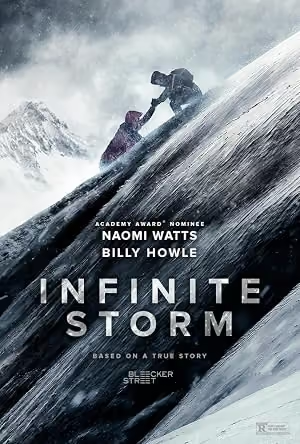
This is about as real-world plausible as a survival scenario gets, and it is based on a true story. Mount Washington is notorious for some of the most violent and rapidly changing weather on the planet, with sudden blizzards, extreme wind, and killing cold routinely trapping experienced climbers. A capable hiker being caught by a fast-moving storm and stumbling onto a stranded, hypothermic stranger is not fantasy, it happens on that mountain and others every season. The scenario earns a top score because the events depicted mirror documented real emergencies.
The film handles the physical realities of cold weather survival with real care. The disorientation of whiteout navigation, the progression of hypothermia, the exhausting effort of moving a semi-conscious victim down technical terrain, and the constant race against nightfall all ring true. Naomi Watts portrays fatigue, fear, and grim determination convincingly rather than heroically. It loses a couple of points for stretches that lean more into emotional and psychological drama than procedural accuracy, and a few decisions feel driven by narrative more than by cold logic, but overall it respects consequences and shows how quickly a routine descent turns lethal.
There are solid, concrete takeaways here for anyone who ventures into cold or mountainous terrain. The film reinforces the value of turning back before the summit when weather threatens, of dressing in proper layers, and of recognizing the signs of hypothermia in yourself and others. It quietly demonstrates the danger of the fading daylight timeline, the difficulty of moving an incapacitated person, and how a small navigational error compounds in a whiteout. What it lacks is explicit instruction on gear checklists, communication devices, and trip plans left with others, so a prepper should watch it as a case study rather than a tutorial.


