


Poseidon is a lean, loud remake that trades character depth for relentless momentum. Wolfgang Petersen knows water and knows tension, and the capsizing sequence is genuinely gripping. For a prepper, the opening minutes are the most instructive part of the film: a normal celebration turns into a fight for survival in seconds, with no warning and no time to gather gear. That single truth, that disaster arrives without a countdown, is worth the price of admission.
After the wave hits, though, the film becomes a video-game-style obstacle course. The survivors climb, swim, and burn their way upward through one setpiece after another, and while it is entertaining, it rewards luck and stamina more than planning or knowledge. The most useful survival theme is the argument between the captain, who orders everyone to wait, and Dylan, who chooses to act. That tension mirrors real decisions preppers think about constantly: shelter in place or move, follow authority or trust your own read of the situation. The film comes down firmly on the side of informed action.
Worth watching as a tense evening of entertainment and a decent conversation starter about maintaining orientation, keeping your group cohesive, and refusing to freeze when the environment turns against you. Just do not mistake it for a training film. The lessons here are about attitude and initiative, not procedure, and a serious student of self-reliance will get more from the mindset than the mechanics.
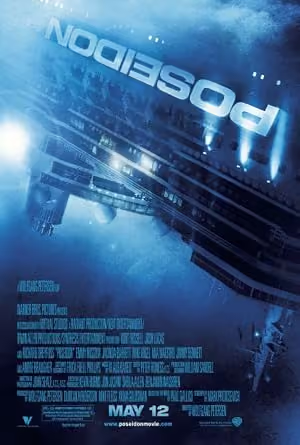
A large vessel being capsized by a rogue wave is not fantasy. Rogue waves are a documented ocean phenomenon, and history records ships lost or badly damaged by sudden massive swells. A total capsizing of a modern cruise ship of this size is unlikely given ballast design and stability engineering, but the underlying event of a catastrophic wave strike in the open North Atlantic is grounded in real risk. The scenario sits comfortably in the plausible range, even if the scale is dramatized.
The film gets the initial chaos right: the disorientation of an inverted interior, rising water, failing power, and the impossible choice between waiting for rescue and moving. Beyond that it drifts into Hollywood convenience. The survivors thread a nonstop gauntlet of explosions, floods, and collapsing structure with cinematic timing, and characters recover from lethal situations that would realistically drown or crush them. Crowd behavior is thin, and the physics of an upside-down flooding ship are simplified for pace. Believable in premise, exaggerated in execution.
There are a few real takeaways buried in the spectacle. The core lesson is decisiveness: staying put and waiting for a rescue that may never come can be fatal, and knowing when to move is a survival skill. It also illustrates the value of moving toward the hull, air pockets, and any structural high point when a vessel inverts, plus the importance of improvised tools, teamwork, and keeping a group together under stress. What it does not teach is anything methodical about life jackets, muster stations, or maritime emergency procedure, so the practical value is limited to mindset more than technique.


