


Right at Your Door is a small, claustrophobic thriller that punches far above its budget by keeping the horror personal. Instead of showing us mushroom clouds and military convoys, it locks us inside one man's house as he tapes shut the windows and listens to garbled emergency broadcasts. For a prepper, this is the rare disaster film that actually dramatizes the shelter-in-place decision most of us have only read about in preparedness guides. The tension comes not from monsters but from doubt, contradictory information, and the impossible weight of a single choice.
The film's greatest value is how honestly it depicts the fog of the first day. Brad does not have a plan, his supplies are improvised, and his information is unreliable, which is exactly how it would go for the average unprepared household. Watching him scramble to seal his home makes a compelling case for having the plastic sheeting, respirators, radio, and family protocols ready in advance rather than during the crisis. The movie also forces an uncomfortable conversation about decontamination and whether you would risk your safe space to bring in a contaminated loved one.
It is a bleak watch, and the ending trades some realism for a devastating twist that not everyone will accept. But as a conversation starter for family emergency planning and a vivid illustration of why information and communication plans matter, it earns its place on a prepper's watch list. Study it less for tactical accuracy and more for the human failures it exposes, then go fill the gaps in your own plan that Brad never had a chance to.
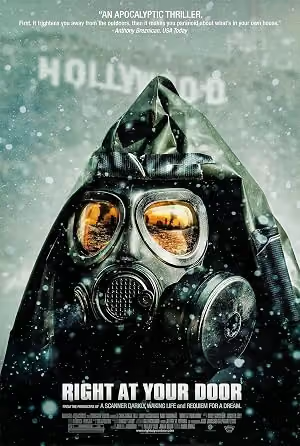
A coordinated terrorist attack using chemical or radiological dispersal devices in a major city is a genuine real-world threat that governments actively plan against. Dirty bombs and toxic aerosol releases have been studied extensively by counterterrorism agencies, and cities like Los Angeles are plausible high-value targets. The core scenario, an urban attack forcing residents to shelter in place amid contamination, sits firmly within the realm of the possible and echoes real drills and after-action reports.
The film shines in its portrayal of information chaos, contradictory radio broadcasts, plastic-and-tape improvised sealing, and the psychological agony of choosing between self-protection and rescuing a loved one. The panicked, imperfect human behavior rings true. Where it stretches is the specifics of the contamination biology and the harsh, almost dystopian efficiency of the government quarantine response, which serves the story's gut-punch twist more than strict plausibility. Still, the emotional and procedural core is grounded and consistent with how ordinary people would actually flounder in the first hours of a poorly understood attack.
There are concrete lessons here. The film demonstrates why plastic sheeting, duct tape, and a pre-planned safe room matter, why a battery radio and reliable information sources are critical, and above all why families need a communication and rendezvous plan established before disaster strikes. It also illustrates the deadly danger of cross-contamination and the hard reality that letting an exposed person indoors can doom everyone inside. The takeaways on decontamination discipline and trusting official guidance are especially sharp, even if delivered through a bleak lens.


