


Life of Pi is not a survival manual, and any prepper going in expecting one will be surprised by how much fable is woven through it. What it is, is one of the most beautiful meditations on the will to live ever committed to film. Ang Lee frames a shipwreck and a boy adrift in the Pacific as both a literal ordeal and a story about faith and endurance. For the self-reliant viewer, the value is less in the checklist and more in the mindset, the refusal to surrender to despair when everything has been stripped away.
On the practical side, there is more here than the tiger might suggest. Pi rations his water carefully, understands that thirst kills faster than hunger, rigs a system to catch rain, learns to fish, keeps a log, and reads his salvaged survival guide. He also manages a lethal threat by keeping distance and establishing an uneasy routine rather than trying to eliminate it outright, which is a solid lesson in living alongside danger you cannot remove. The film shortchanges signaling and rescue technique, and the surreal detours pull it away from grounded instruction, but the fundamentals of ration discipline and morale are on display.
Worth watching, then, but with the right expectations. Treat it as a study in psychological resilience wrapped in a stunning visual package, not as a field guide. A prepper will come away reminded that survival is as much about the mind and the daily discipline of hope as it is about gear, and that reminder alone justifies the two hours. Pair it with a more technical castaway account if you want the hard skills.
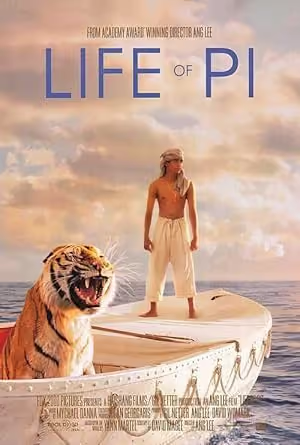
The core scenario, a cargo ship sinking in a storm and leaving a lone survivor adrift in an open lifeboat, is entirely possible and has real historical precedent. Shipwrecks, capsizings, and castaways drifting for weeks on the open ocean are well documented, and people have survived extended periods at sea using rainwater, fishing, and salvaged supplies. The one element that stretches plausibility is sharing a small lifeboat with a live adult Bengal tiger for months, which the film itself frames as possibly allegorical. Setting that aside, the underlying predicament of being lost at sea after a maritime disaster is a genuine real-world risk for anyone who travels by boat.
The film gets a surprising amount right about the physical ordeal of being adrift. Pi rations water, rigs a rain catchment, fishes, builds a small tethered raft to keep distance from the danger in the boat, protects himself from relentless sun, and battles the psychological toll of isolation. His slow physical decline, sunburn, and mental fraying feel believable. The tiger, however, is a fantastical stand-in that behaves according to narrative need rather than biology, and the carnivorous island is pure fable. The story openly acknowledges its own unreliability, so the departures from realism are intentional rather than careless, but they do keep this from being a strictly grounded survival account.
There are real, transferable lessons here despite the allegory. Pi demonstrates water discipline and the priority of freshwater over food, improvised rain collection, fishing and food procurement at sea, the value of a survival manual and inventorying your supplies, sun and exposure protection, and keeping a routine to preserve morale. The idea of maintaining a controlled distance from a lethal threat while still managing it is a useful mental model. What it lacks is technical detail: no real guidance on signaling for rescue, navigation, or the specifics of desalination, and the fantastical elements dilute the practical instruction. Still, the emphasis on hope, routine, and rationing carries genuine value.


